
AI-assisted Electrocardiograms (ECGs)
Nickol Georgy GenerativeAI is rapidly altering medical diagnostic machinery, notably to interpret complex information like electrocardiograms (ECGs). Harvard Medical School is integrating AI into the[…]
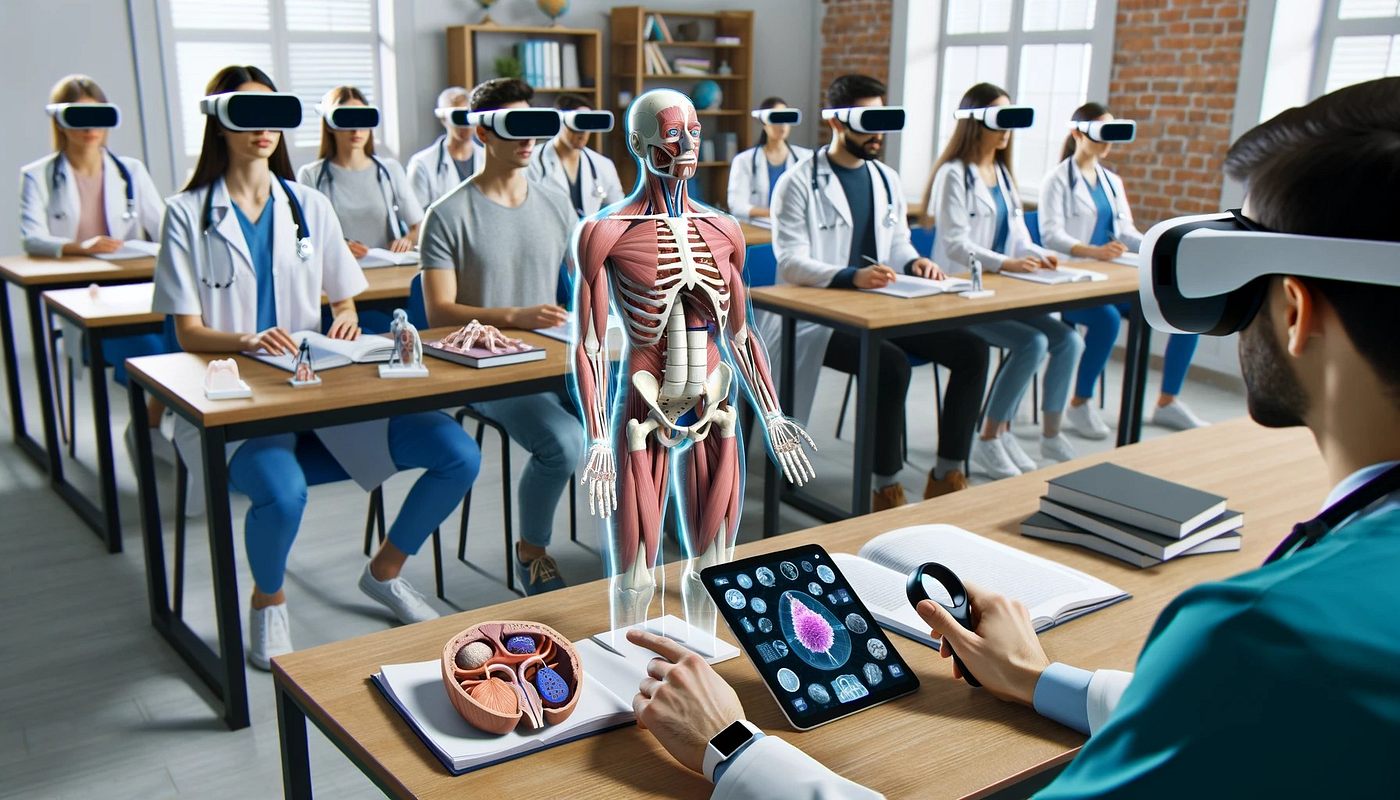
Artificial Intelligence in Medical Education and Training
Nickol Georgy One of the most intriguing applications of artificial intelligence (AI) is within medical school curricula. AI is increasingly being used to support medical[…]
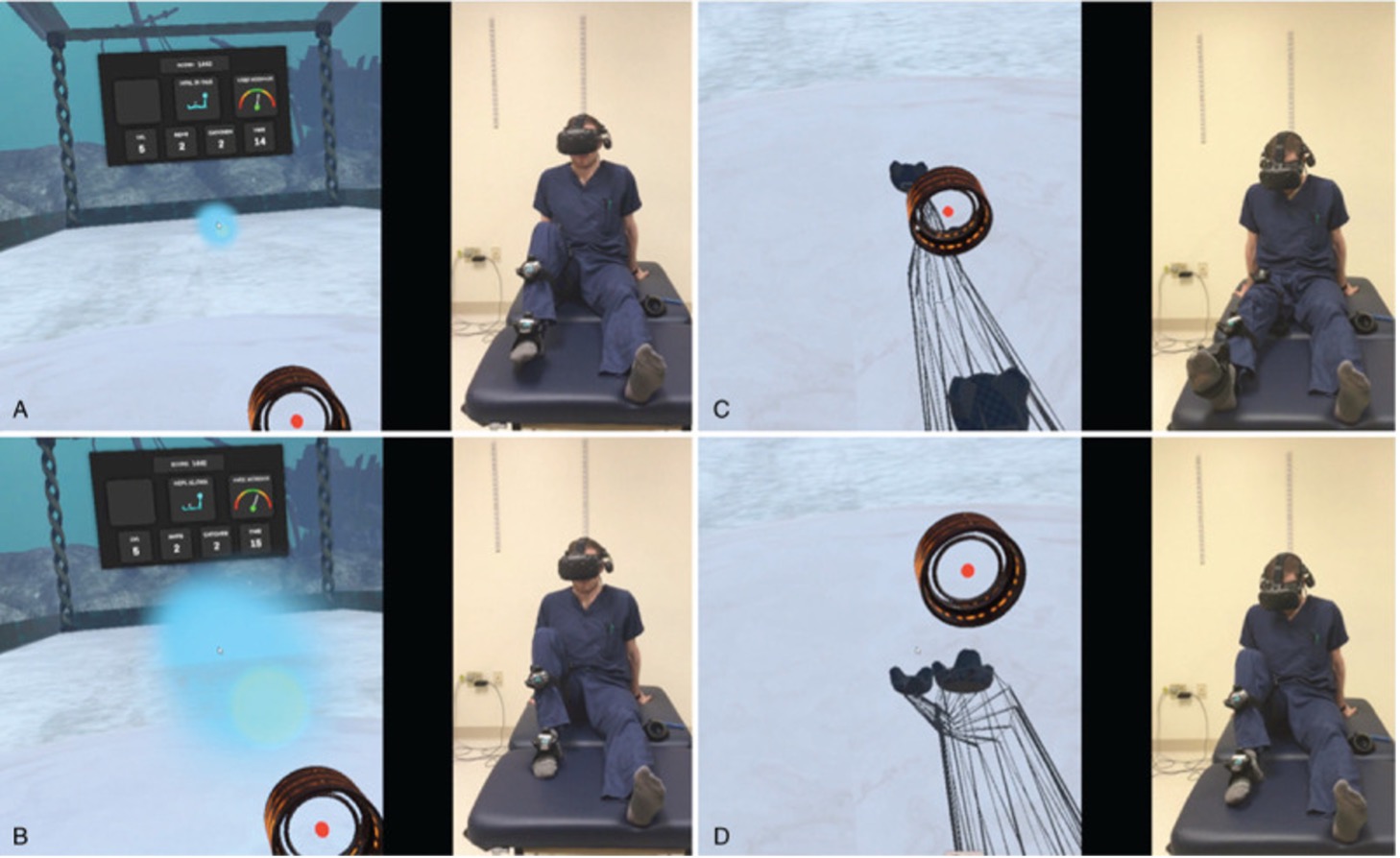
VR Physical Therapy
Rida Faraz As researchers explore the use of VR in different health applications, they have found a strong use case in the physical therapy realm.[…]
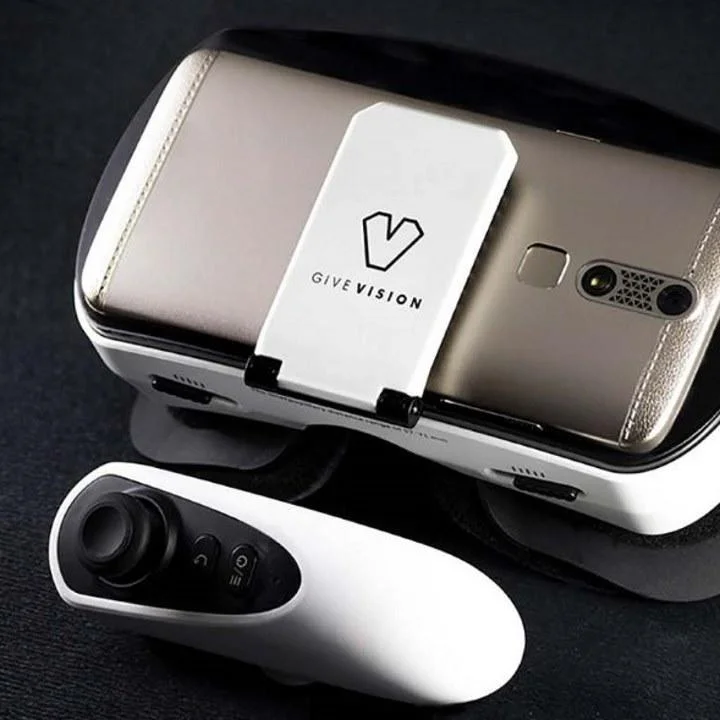
SightPlus
Rida Faraz SightPlus is a device designed by GiveVision to help people who are visually impaired to see the world around them clearly. In the[…]

Ebb – Empathetic AI Companion
Rida Faraz Ebb was launched by Headspace as everyone’s friendly empathetic AI companion. Compared to a therapist, Ebb is designed to provide personalized meditation and[…]
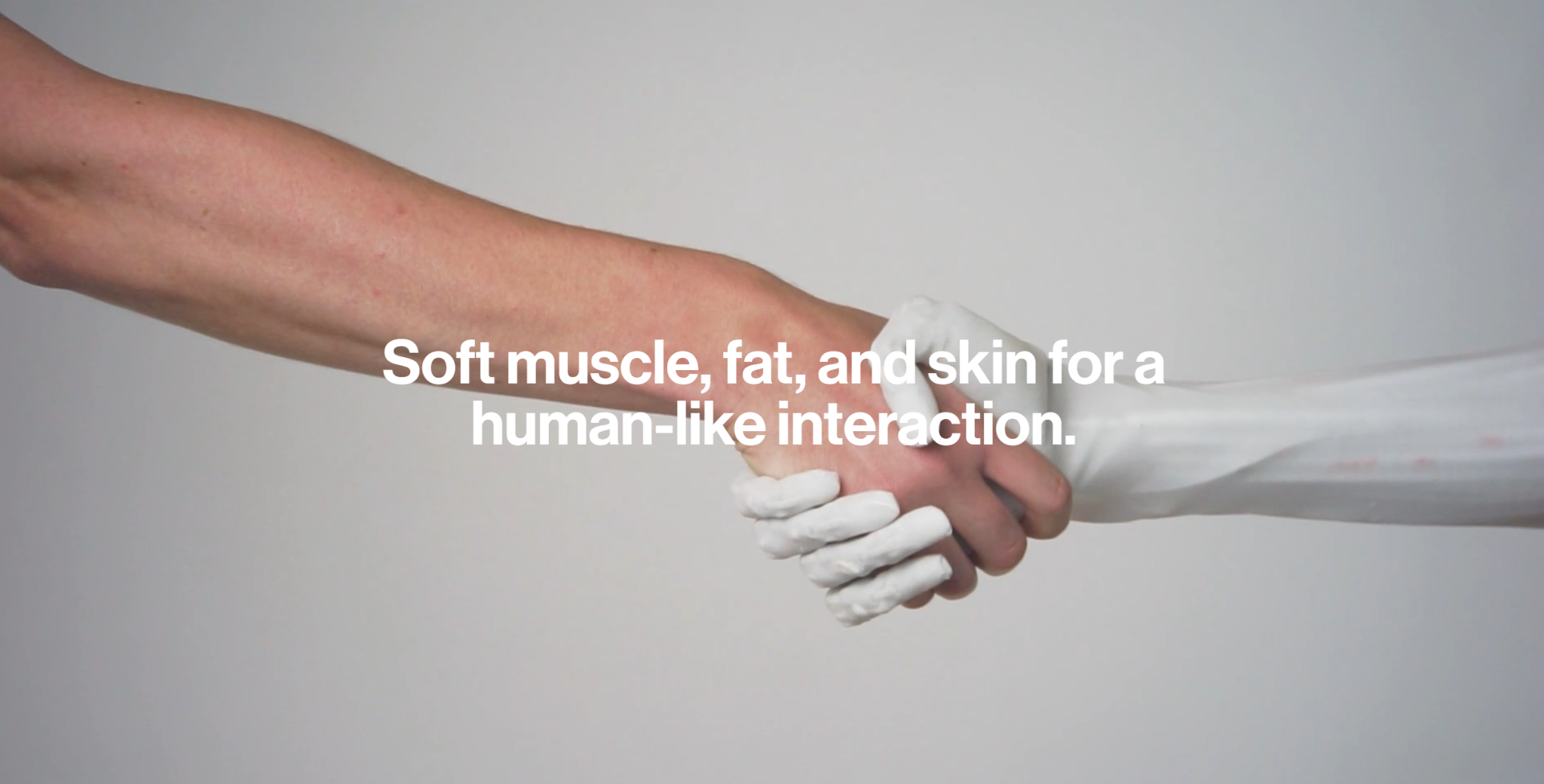
The Shape of Trust
Vivien Chen As artificial intelligence becomes increasingly fluent in simulating thought, attention is turning back to the body. If chatbots like ChatGPT have already passed[…]
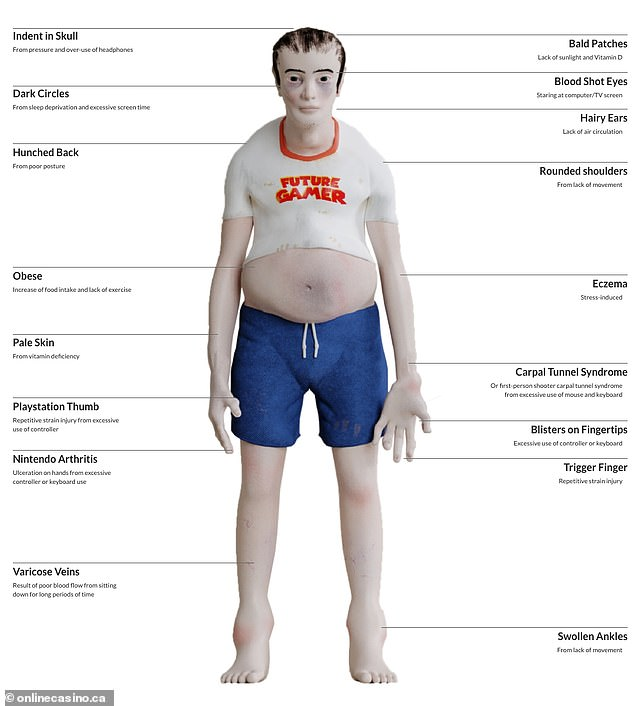
Coded Gestures – Touching the Virtual World
Vivien Chen The emergence of VR gestures as programmable symbols marks a profound shift in how we conceptualize communication and knowledge itself. Unlike spoken or[…]

Our City as a Digital Interface
Vivien Chen Cities used to be purely physical spaces (streets, parks, buildings), but now they’ve become interactive systems layered with digital infrastructures. These digital infrastructures[…]
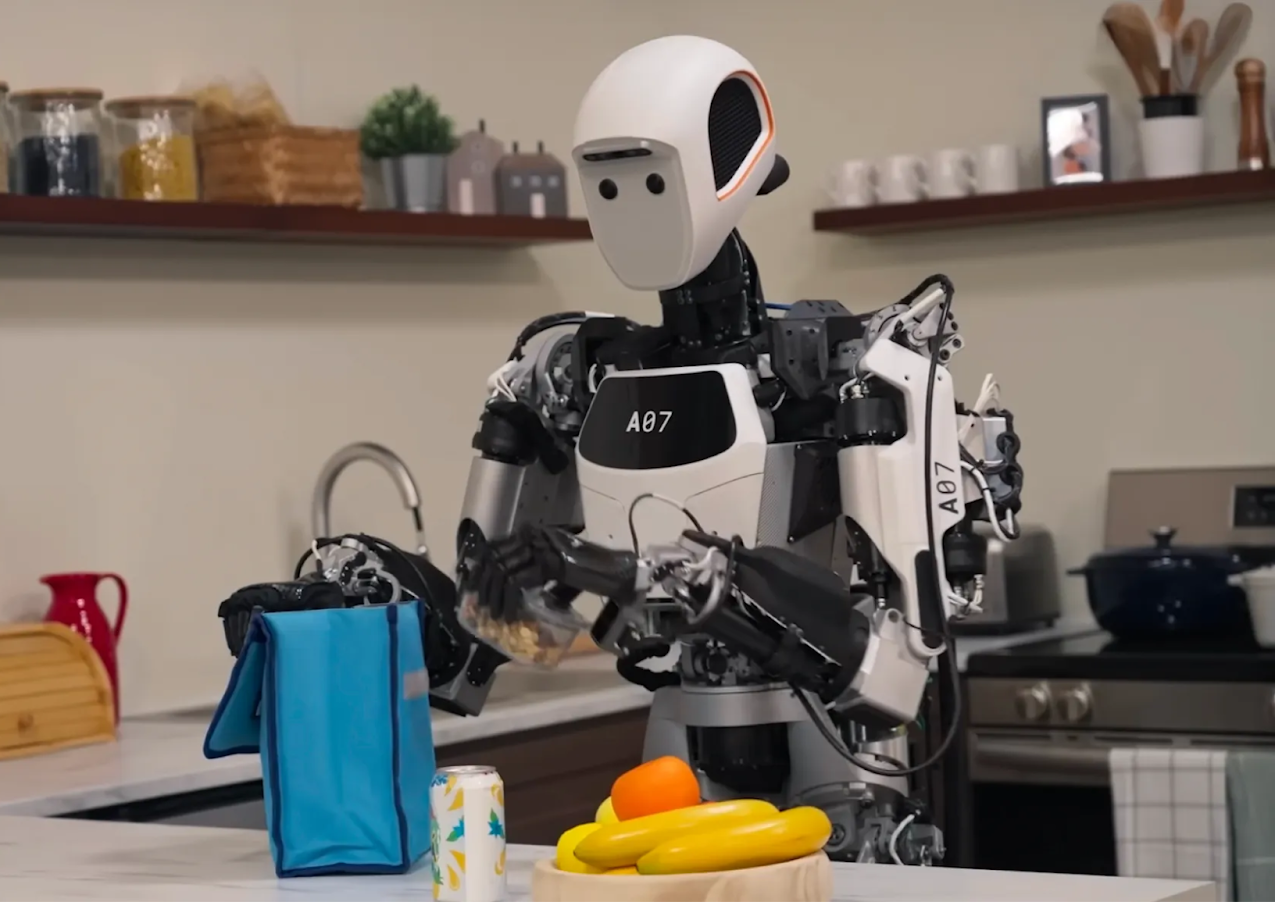
Robot-centric Spaces
Vivien Chen “Eventually, robots will be just another surface on which we interact with AI, like our phones or computers — agents in the physical[…]
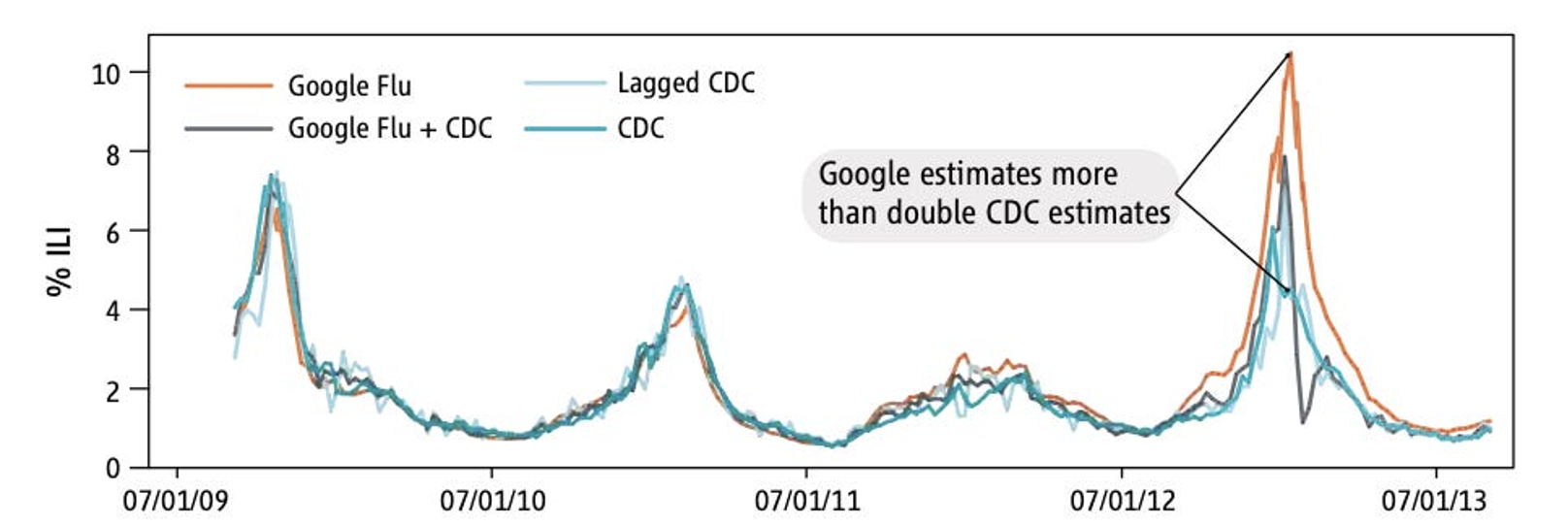
Google Flu Trend (2014)
Rianna Herzlinger In 2013, Google Flu Trend (GFT) became famous for seemingly predicting the 2012-13 flu season better than the CDC. They used data from[…]
© 2026 Simulation & Society. Created with ❤ using WordPress and Kubio